Choosing the correct wire size for a 30-amp circuit is critical for safety, performance, and compliance with electrical codes. Using the wrong wire can lead to overheating, fire hazards, or even equipment damage. For most standard residential and portable applications, 10 AWG copper wire is recommended, as it safely carries 30 amps under normal conditions. However, factors like distance, temperature, and installation type can influence your final wire choice. Understanding how wire sizing works is the first step toward a reliable and safe electrical system.
The correct wire size for a 30-amp circuit is 10 AWG copper, as it safely carries the required current and meets NEC safety standards. In longer runs or high-temperature environments, upgrading to 8 AWG helps reduce voltage drop and improves overall efficiency. Using undersized wire, such as 12 AWG, is unsafe and can cause overheating, breaker trips, or serious fire hazards.
In this article, we discuss the topic of “30 amp wire size“.
Understanding How Wire Gauge Affects a 30 Amp Breaker
Wire gauge, or the thickness of a wire, directly impacts how much current can safely pass through a circuit. A 30-amp breaker is designed to trip if current exceeds 30 amps, protecting the system and connected devices. Undersized wires can overheat and cause the breaker to trip frequently, while oversized wires are harder to work with but generally safe. Knowing the relationship between wire gauge and breaker amperage ensures that the circuit operates efficiently and reduces the risk of electrical failures.
Why 10 AWG Copper Is the Standard Wire Size for 30 Amps
For most applications, 10 AWG copper wire is the standard recommendation for a 30-amp circuit. Copper offers excellent conductivity, durability, and flexibility, making it ideal for residential, RV, and portable power setups. This wire size ensures minimal voltage drop over reasonable distances and meets NEC code requirements for 30-amp circuits. While aluminum is sometimes used for cost savings or long runs, copper remains the safest and most reliable choice for typical installations.
NEC Code Requirements for 30 Amp Wire Size
The National Electrical Code (NEC) sets strict guidelines for wire sizing to ensure safety and prevent electrical hazards. According to NEC standards, a 30-amp circuit requires a minimum of 10 AWG copper wire or 8 AWG aluminum wire. Compliance with NEC rules is mandatory for all residential and commercial electrical work, helping prevent fires, overheating, and equipment damage. Understanding these code requirements is crucial before attempting any wiring project, whether installing a new breaker or upgrading an existing circuit.
Ampacity Explained: How Much Current 10 AWG Wire Can Handle
Ampacity is the maximum current a wire can safely carry without overheating. For 10 AWG copper wire, the ampacity is rated at 30 amps, making it the ideal choice for circuits protected by a 30-amp breaker. Ampacity depends on factors such as insulation type, ambient temperature, and installation method. Exceeding the rated ampacity can cause insulation failure, fire risks, or damage to appliances. Always consider ampacity charts when planning or upgrading electrical circuits to ensure safe and efficient operation.
Copper vs. Aluminum: Best Wire Type for a 30 Amp Circuit
Copper and aluminum are the two most common wiring materials, each with pros and cons. Copper offers higher conductivity, flexibility, and long-term reliability, while aluminum is lighter and often less expensive. For a 30-amp circuit, copper is generally preferred for indoor or portable applications due to its durability. Aluminum may be used for long outdoor runs or cost-sensitive projects but requires larger sizes to match copper’s ampacity and proper terminations to prevent overheating or corrosion.
How Distance Affects the Correct Wire Size for 30 Amps
The distance between the breaker and your load affects the wire size due to voltage drop. Longer runs require thicker wire to maintain proper voltage and prevent overheating. For example, a 10 AWG wire may suffice for runs under 50 feet, but anything longer might need 8 AWG to maintain safe and efficient current flow. Always calculate the voltage drop when planning long circuits, especially for outdoor or portable power systems, to ensure your devices operate at full capacity.
When You Should Upgrade to 8 AWG for a 30 Amp Run
Upgrading to 8 AWG wire may be necessary for long-distance runs or environments with high ambient temperatures. Using thicker wire reduces voltage drop and keeps the circuit operating safely. This is especially important for RV hookups, solar arrays, or generator feeds where power needs to travel further than typical residential distances. Choosing 8 AWG also provides added safety margin, ensuring that your 30-amp breaker doesn’t trip under continuous loads.
Voltage Drop Calculator for 30 Amp Wire Size
A voltage drop calculator is a useful tool to determine if your wire will maintain adequate voltage at the load. Voltage drop depends on wire gauge, length, material, and amperage. For a 30-amp circuit, using 10 AWG copper is standard for short runs, but a calculator can confirm whether 8 AWG or even larger wire is necessary for longer distances. This ensures devices receive proper voltage and helps prevent energy loss or overheating.
Heat, Conduit & Environmental Factors That Change Wire Size Needs
Environmental conditions, such as high ambient temperatures or conduit types, affect wire ampacity. When wiring through hot attics, metal conduits, or underground channels, the wire may need to be upsized to prevent insulation breakdown or overheating. These factors are critical to consider during installation. Always consult ampacity charts and code requirements to ensure that the chosen wire size remains safe under your specific conditions.
Can You Use 12 Gauge Wire for a 30 Amp Breaker?
No, 12 AWG wire is rated for a maximum of 20 amps, making it unsafe for a 30-amp breaker. Using 12-gauge wire on a 30-amp circuit risks overheating, insulation failure, and fire hazards. Electrical codes strictly prohibit undersized wiring for higher amp breakers. Always ensure the wire gauge matches or exceeds the breaker’s rating to maintain safety and compliance with NEC standards.
Why Undersized Wire on a 30 Amp Circuit Is Dangerous
Using undersized wire for a 30-amp circuit is a major safety hazard. The wire can overheat, causing insulation to melt and increasing the risk of fire. Additionally, undervalued wire may trigger breaker trips and damage sensitive electronics due to voltage drops. Always follow code recommendations and select wire size according to ampacity and environmental conditions. Safety should always be the priority when working with electrical systems.
What Happens If You Oversize Wire for a 30 Amp Breaker?
Oversizing wire beyond the recommended 10 AWG for a 30-amp breaker is generally safe but comes with drawbacks. Thicker wires are harder to bend and install, requiring larger conduits and more effort. While oversizing doesn’t pose a fire hazard, it can be more costly and cumbersome. It may, however, provide benefits in long runs by reducing voltage drop, so it can be a practical solution for certain applications like solar or generator setups.
30 Amp Wire Size for RV Hookups
RV hookups typically require 30-amp circuits to power appliances, lights, and outlets safely. For most RV applications, 10 AWG copper wire is standard, providing reliable current flow while minimizing voltage drop. Longer campground runs may require 8 AWG to maintain efficiency. Ensuring proper wire sizing prevents tripped breakers and equipment failure, making your RV experience safer and more convenient.
30 Amp Wire Size for Electric Dryers and Appliances
Many household appliances, such as electric dryers or ranges, use 30-amp circuits. Installing these safely requires proper wire selection, typically 10 AWG copper for standard runs. Oversized wires may be used for longer distances or high-heat areas. Proper installation ensures that appliances operate efficiently, prevents electrical hazards, and complies with NEC standards for residential wiring.
Correct Wire Size for a 30 Amp 240V Circuit
A 240-volt 30-amp circuit requires careful wire selection to carry the load safely. Standard recommendations are 10 AWG copper wire with two hot conductors, a neutral, and a ground. Proper installation minimizes voltage drop, ensures breaker compatibility, and meets electrical codes. Special applications, such as workshop equipment or EV chargers, may require adjustments in wire gauge based on distance or environmental conditions.
Wire Size Recommendations for 30 Amp 120V Circuits
For 120-volt applications, a 30-amp circuit still requires careful consideration of wire size. Standard 10 AWG copper wire is appropriate, providing sufficient ampacity while minimizing voltage drop. It’s essential to consider the length of the run and the environment, as factors like heat and conduit type can affect performance. Properly sized wiring ensures devices receive the correct voltage and operates safely without tripping the breaker.
How to Choose the Best Wire Type for Outdoor 30 Amp Circuits
Outdoor circuits require wire that can withstand weather, moisture, and sunlight. THHN or THWN copper wire with appropriate insulation is recommended for outdoor 30-amp circuits. Underground applications often require UF-B wire rated for direct burial. Choosing the correct type of wire prevents insulation damage, corrosion, and energy loss, ensuring a safe and reliable outdoor electrical setup.
THHN vs. Romex: Best Wire for 30 Amp Applications
THHN and Romex are two common wire types for residential and portable applications. THHN is ideal for conduit runs and can handle higher temperatures, while Romex (NM-B) is easier to install for indoor circuits. For a 30-amp breaker, both can work if properly sized. The choice depends on installation environment, flexibility, and whether the circuit will be exposed to moisture or direct sunlight.
Underground Wire Size for a 30 Amp Circuit
When running a 30-amp circuit underground, wire sizing and type are critical. Direct burial requires UF-B wire or THWN in conduit, typically 10 AWG copper. Longer runs may require 8 AWG to reduce voltage drop. Proper burial depth and conduit protection are essential to prevent damage from moisture, rodents, and soil pressure. Underground installations also need careful planning to comply with local codes.
What Size Ground Wire Do You Need for 30 Amps?
A 30-amp circuit requires a grounding conductor to protect against faults. Typically, a 10 AWG copper ground wire is used, matching the circuit conductor. In some cases, local codes may require larger sizes. Proper grounding ensures that excess current safely flows to the earth, preventing shocks and protecting appliances and people.
30 Amp Breaker and Wire Compatibility Chart

Understanding which wire gauges match specific breakers is essential. For a 30-amp breaker, 10 AWG copper or 8 AWG aluminum is standard. Using the correct combination prevents overheating and ensures compliance with NEC standards. Compatibility charts are a handy reference for electricians and DIYers planning new circuits or upgrades.
AWG Copper Wire Ampacity Chart for Reference
Ampacity charts provide a quick reference for current-carrying capacity based on wire gauge and material. For example, 10 AWG copper is rated for 30 amps, 12 AWG for 20 amps, and 8 AWG for 40 amps. Using this chart helps you choose the right wire for your application, minimizing voltage drop, avoiding overheating, and maintaining safety across all installations.
Signs You’re Using the Wrong Wire Size for 30 Amps
Using incorrect wire size can present warning signs like frequent breaker trips, warm outlets, flickering lights, or burned insulation. If you notice any of these, it’s crucial to inspect and correct the wire gauge immediately. Correct sizing prevents fires, protects equipment, and ensures reliable electricity delivery. Regular inspections are part of safe home and RV electrical maintenance.
How to Measure Wire Gauge for a 30 Amp Circuit
Wire gauge can be measured using a wire gauge tool or by counting the diameter of the conductor. For electrical work, it’s important to confirm that the wire matches the breaker rating. 10 AWG copper is standard for 30 amps, but verification ensures safety and code compliance. Accurate measurement avoids costly mistakes and keeps circuits operating efficiently.
Safety Rules When Installing Wire for a 30 Amp Breaker
Safety is the top priority when installing a 30-amp circuit. Always turn off power at the main panel, wear insulated gloves, and use proper tools. Confirm wire gauge, secure connections, and follow NEC guidelines. Proper planning and attention to detail minimize risks of shocks, fires, or equipment damage. Never cut corners with wire sizing or connections.
Step-by-Step Guide to Wiring a 30 Amp Circuit
Wiring a 30-amp circuit involves several key steps: turning off power, measuring and cutting wire, stripping ends, connecting to the breaker and load, securing wiring, and testing the circuit. Following a structured approach ensures code compliance and safe operation. Accurate execution reduces the risk of tripped breakers, voltage drops, or overheating.
Tools You Need to Install 30 Amp Wiring Properly
Installing a 30-amp circuit requires specific tools: wire strippers, pliers, screwdrivers, multimeter, conduit benders, and cable clamps. Using the correct tools makes installation safer, faster, and more reliable. Avoid improvising, as improper tools can damage wires or create unsafe connections.
How to Strip and Terminate 10 AWG Wire Correctly
Proper stripping and termination prevent shorts and maintain electrical integrity. Use a wire stripper suited for 10 AWG copper, remove insulation carefully, and avoid nicking the conductor. Terminate wires securely in breaker terminals with proper torque to prevent overheating or arcing, ensuring long-term safety and performance.
Connecting 10 Gauge Wire to a 30 Amp Breaker
Connecting 10 AWG wire requires proper preparation: strip insulation, insert the wire into the breaker terminal, and tighten firmly. Ensure no copper is exposed and that connections are secure. A loose or improperly connected wire can overheat, trip the breaker, or cause a fire. Always follow manufacturer instructions and code requirements.
Installing a 30 Amp Receptacle: Proper Wire Connections
When installing a 30-amp receptacle, ensure the hot wires connect to the correct terminals, the neutral to its terminal, and the ground to the ground terminal. Double-check polarity and secure all connections. Proper installation guarantees safe operation for appliances, RVs, or generators using the 30-amp circuit.
How to Secure and Support 30 Amp Wiring per Electrical Code
Code requires securing wires to prevent sagging and physical damage. Use cable staples, conduit straps, or clamps every 4–6 feet and near junction boxes. Proper support reduces wear and tear, maintains neat installation, and prevents hazards. Adhering to NEC standards ensures long-term safety and reliability.
Testing a 30 Amp Circuit for Voltage and Grounding
Testing ensures your 30-amp circuit operates safely. Use a multimeter to check voltage at outlets, confirm proper grounding, and ensure current flows correctly. Testing prevents appliance damage, identifies installation errors, and verifies compliance with safety codes. Regular testing is recommended for both new and existing circuits.
Common Mistakes Homeowners Make With 30 Amp Wire Size
Common mistakes include using undersized wire, improper grounding, skipping voltage drop calculations, and failing to secure wiring. These errors can cause breaker trips, overheating, or fire hazards. Following recommended wire sizes, proper tools, and code guidelines prevents costly mistakes and ensures safety.
FAQs About 30 Amp Wire Size and Breakers
Many homeowners ask whether 8 AWG is better, if 12 AWG can be used, or how to handle long runs. The key takeaway: 10 AWG copper is standard, upsizing to 8 AWG for long distances, and never using undersized wires. Understanding these basics prevents electrical hazards and ensures proper system performance.
Can 30 Amp Wire Handle Continuous Loads?
Yes, 10 AWG copper wire can handle continuous loads of 30 amps safely if properly installed. Continuous loads, such as appliances or RVs running for long periods, may require consideration of voltage drop and ambient temperature. Ensuring correct installation minimizes overheating and maximizes safety.
Best Applications for a 30 Amp Circuit
30-amp circuits are ideal for RVs, electric dryers, water heaters, portable generators, and small workshops. Selecting the proper wire ensures appliances run efficiently without tripping breakers or creating fire hazards. Knowing the best applications helps prevent overloading and enhances system reliability.
Upgrading a 20 Amp Circuit to 30 Amp: Wire Size Requirements
Upgrading requires replacing the breaker and using proper wire size, typically 10 AWG copper. Simply changing the breaker without upgrading the wire is unsafe. Voltage drop, distance, and environmental factors should also be considered to maintain a safe, compliant installation.
Wire Size for 30 Amp Generator Inlet Installations
Generators often feed 30-amp circuits using 10 AWG copper wire. Proper installation ensures energy is safely transferred from the generator to appliances or sub-panels. Long generator runs may require 8 AWG to reduce voltage drop and maintain reliable performance.
30 Amp Wire Size for Portable Power Stations
Portable power stations, such as EcoFlow systems, need correctly sized wiring to operate efficiently. A 10 AWG copper wire is typically recommended, ensuring safe power delivery without overheating. For longer runs or higher efficiency, 8 AWG may be used to maintain voltage levels.
Choosing the Right Wire for Solar Applications at 30 Amps
Solar installations require wire that can handle continuous currents, temperature changes, and UV exposure. 10 AWG copper wire is standard for a 30-amp solar circuit, but longer runs may require upsizing. Proper wire selection ensures maximum efficiency and long-term safety for your solar array.
How Temperature Rating Affects Wire Size for 30 Amps
Wire insulation rating determines how much heat it can handle. High ambient temperatures can reduce ampacity, meaning a 10 AWG wire may need to be upsized to 8 AWG for safe operation. Considering temperature ratings ensures the wire performs reliably under all conditions.
Using Aluminum Wire for 30 Amps: Pros and Cons
Aluminum wire is lighter and often cheaper than copper but requires careful connections and larger sizes. For a 30-amp circuit, 8 AWG aluminum is usually needed to match the ampacity of 10 AWG copper. Proper installation prevents overheating and corrosion, ensuring safe operation.
30 Amp Wire Length Limits Without Upsizing
10 AWG copper is safe for runs up to 50–70 feet for most 30-amp applications. Longer runs may require 8 AWG to reduce voltage drop. Planning wire length ahead of time prevents energy loss, ensures proper appliance performance, and maintains safety standards.
Cost Differences Between 10 AWG and 8 AWG Wire
10 AWG copper wire is less expensive and easier to work with, while 8 AWG costs more and requires larger conduit or connectors. Choosing the right wire depends on run length, voltage drop considerations, and budget constraints. Oversizing can increase safety but also installation costs.
Can You Run Multiple Devices on One 30 Amp Circuit?
You can run multiple devices, provided the total load does not exceed 30 amps. Always calculate combined amperage to avoid tripping breakers. Properly sized wiring ensures all devices receive adequate voltage and prevents overheating or fire hazards.
Compatibility: 30 Amp Breaker With 10/2 vs. 10/3 Wire
10/2 wire includes two conductors and a ground, suitable for standard 120V circuits. 10/3 includes an extra conductor for 240V applications. Selecting the correct wire configuration ensures compatibility with breakers and connected appliances, preventing voltage drop or unsafe operation.
Understanding Neutral and Ground Requirements for 30 Amps
A neutral conductor completes the circuit for 120V loads, while a ground provides safety in case of faults. Correctly sizing and connecting both ensures safe operation. Typically, 10 AWG copper is used for both neutral and ground on 30-amp circuits, following NEC requirements.
How 30 Amp Circuits Work With Inverters and Batteries
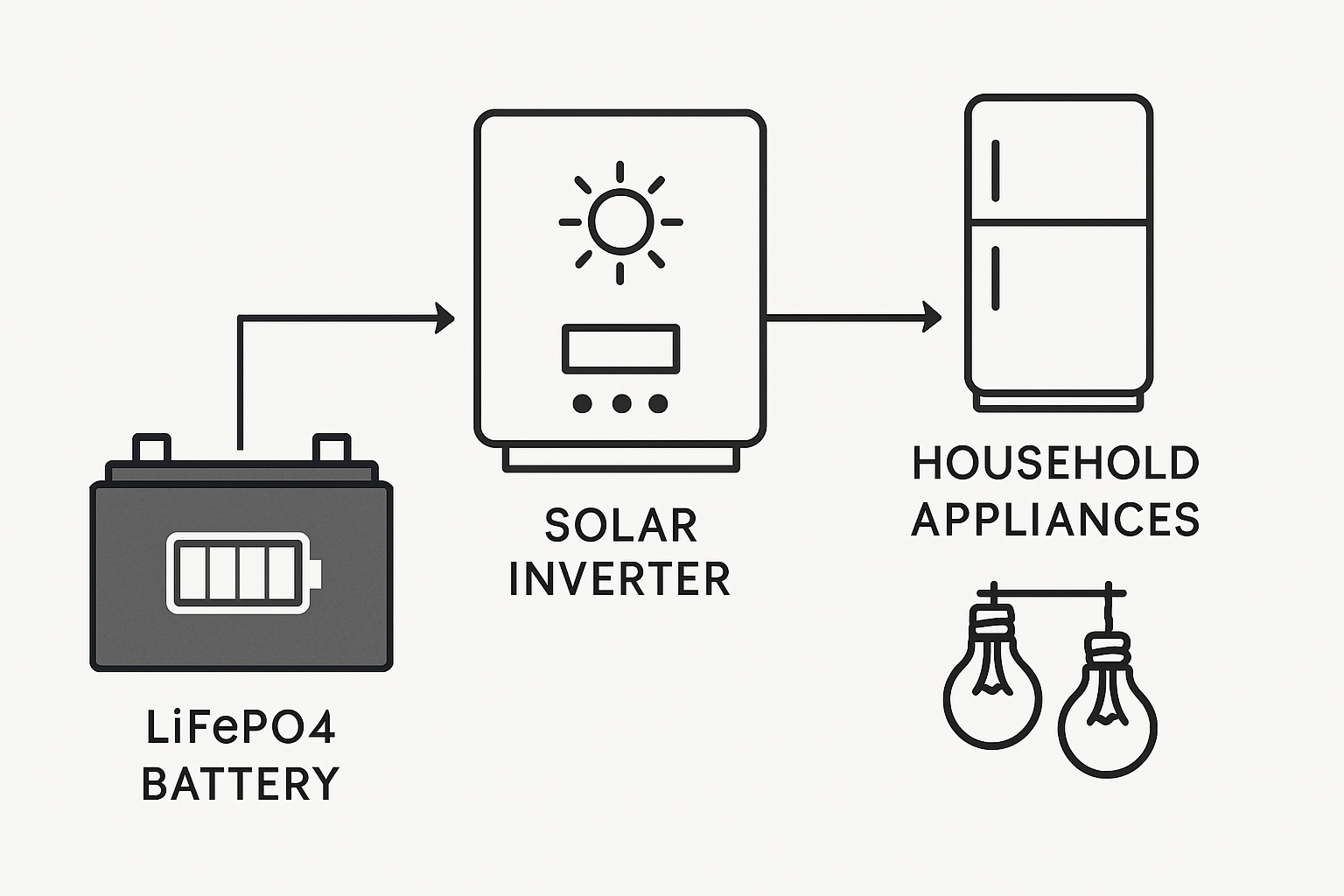
When connecting 30-amp circuits to inverters or battery systems, proper wire sizing is crucial to handle continuous currents and prevent voltage drop. Using 10 AWG copper or upsizing to 8 AWG ensures efficiency and safety, especially in portable power setups or off-grid systems.
Conclusion
For most residential and portable applications, 10 AWG copper wire is the recommended choice for 30-amp circuits. Upsize to 8 AWG for long runs, high temperatures, or outdoor installations. Always follow NEC guidelines, plan your installation carefully, and verify connections to ensure safe, reliable, and efficient power delivery.
FAQs
What wire size is best for a 30-amp circuit?
10 AWG copper wire is the standard and safest choice.
Can I use 12 gauge wire on a 30-amp breaker?
No, 12 AWG is only rated for 20 amps and is unsafe for 30 amps.
Is 8 AWG wire better than 10 AWG for 30 amps?
Yes, for long runs or high temperatures, 8 AWG reduces voltage drop.
What does NEC require for a 30-amp circuit?
NEC requires at least 10 AWG copper or 8 AWG aluminum wire
.
How far can I run 10 AWG wire for 30 amps?
Typically up to 50–70 feet without significant voltage drop
.
Can aluminum wire be used for a 30-amp circuit?
Yes, but it must be 8 AWG aluminum with proper terminations
.
What wire is used for a 30-amp RV hookup?
10 AWG copper is standard for most RV installations.Does 240V change the wire size for 30 amps?
No, amperage determines wire size, not voltage.
Is oversizing wire for 30 amps dangerous?
No, it’s safe but more expensive and harder to install.
Keep an eye for more latest news & updates on premiumtechy!